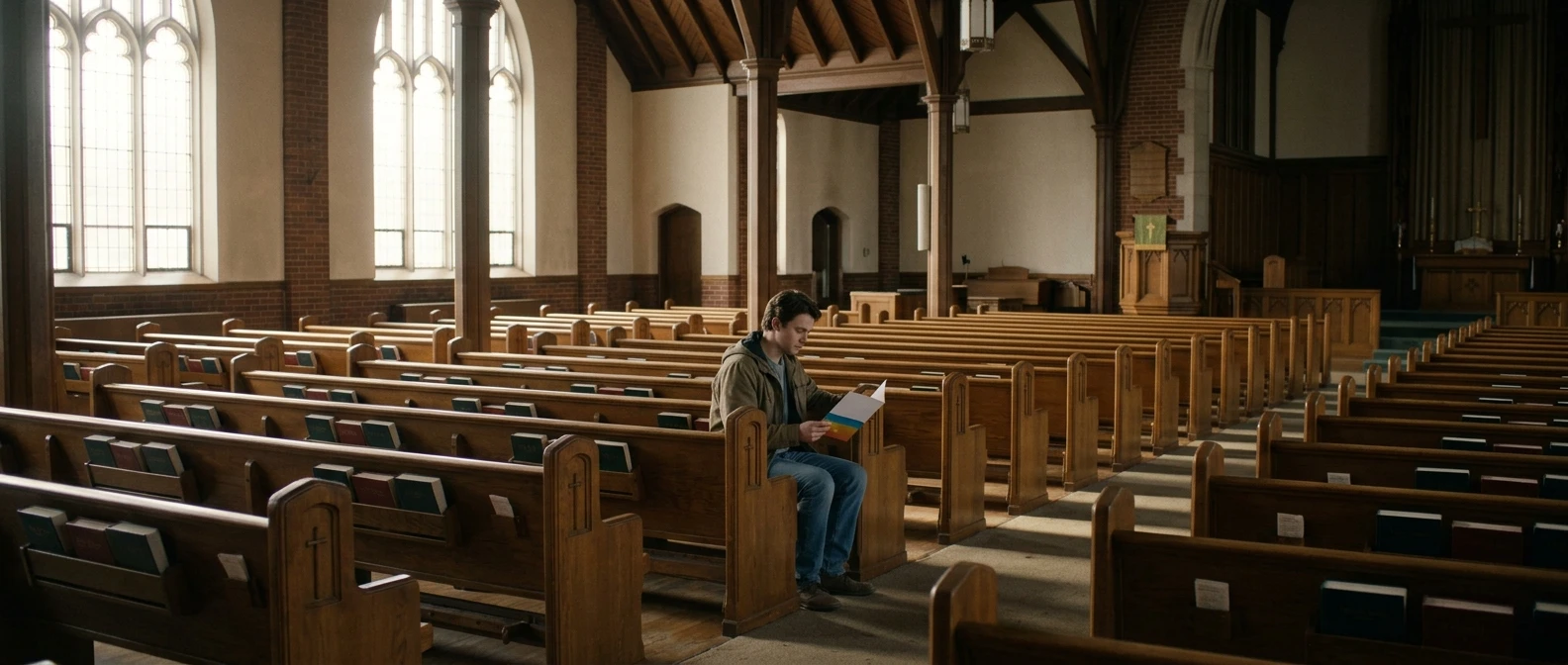
New believers almost never get handed a mentor. They get handed a welcome packet, a seat in the second row, and a phone number for “whoever’s doing that right now.” If you came to faith recently and nobody has sat you down to walk you through the basics, you are not behind. You are in the majority.
This article gives you the actual questions to ask if you do find someone willing to mentor you, organized around the places new faith actually gets stuck: reading, prayer, doubt, and community. And if nobody is available to ask, it closes with what to do instead, because that gap is common enough that it needs its own answer.
Why So Many New Believers Never Get a Real Mentor
Most churches want to disciple new believers. Fewer have a system for actually doing it. Mentoring takes time, and the people most qualified to mentor are usually the people most stretched already: pastors, elders, longtime members who are already teaching a class, leading a group, and raising their own families.
The result is that discipleship often happens by accident. You get connected to someone because you sat near them twice, not because anyone matched you with intention. That person may be a wonderful believer and a terrible teacher, or a wonderful teacher who never follows up. Neither is their fault. Nobody trained them to mentor, either.
Knowing this matters because it changes what you should expect going in. A mentor relationship rarely starts polished. It starts awkward, with both people unsure what to say past “how’s it going with Jesus.” The questions below give you something concrete to put in that silence, whether you’re meeting with an assigned mentor, a pastor who offered to grab coffee, or a friend who’s a few years further down the road than you.
What to Ask About Reading the Bible for Yourself
Reading the Bible alone, for the first time, feels like walking into a library with no index. Genesis makes sense. Then Leviticus happens, and most new believers quietly stop reading and don’t tell anyone.

Ask your mentor:
-
Where should I actually start reading, and in what order, rather than just opening to page one?
-
What do I do with a passage I genuinely don’t understand? Keep reading past it, or stop and look something up?
-
How do you tell the difference between a command meant for everyone and a detail specific to the original audience?
-
What translation do you read, and why that one?
-
How do you move from just reading words to actually studying a passage?
That last question matters more than it sounds. A lot of new believers read a chapter a day and never once stop to ask what it means for the way they live. If your mentor doesn’t give you much on that one, Understanding the Gospels: How to Read the Life of Jesus as a Disciple walks through how to read the Gospels specifically, which is the natural place to start if you’re new.
What to Ask About Prayer When You Don’t Know Where to Start
Prayer feels strange before it feels natural. New believers often sit down to pray and run out of words in under a minute, then feel guilty about it, then avoid praying because the guilt is worse than the silence.

Ask your mentor:
-
What does your own prayer time actually look like, in practical terms? Not the theology of prayer, the mechanics: when, where, how long.
-
Is it alright to pray the same things every day, or should I be saying something new each time?
-
What do I do with long silence? Is that normal, or a sign something’s wrong?
-
How do you pray when you’re angry at God, or don’t feel like praying at all?
-
Should I be writing prayers down, or is that unnecessary?
A mentor who prays regularly will usually have strong, specific answers to these, because they’ve lived the questions themselves. If you want a structured way to build the habit on your own in the meantime, How New Believers Can Build a Steady Prayer Habit in Thirty Days lays out a day-by-day approach.
What to Ask About Doubt, Sin, and Feeling Like You’re Failing
This is the part new believers are least likely to bring up on their own, and the part where a mentor matters most. Doubt and repeated sin both carry a particular shame: the fear that admitting either one proves your faith was never real to begin with.
Ask your mentor:
-
Did you ever doubt whether any of this was true? What did you do with that doubt?
-
Is doubting God’s existence different from doubting whether you’re doing this right? Which one is more common for new believers?
-
What does genuine repentance look like, practically, when I keep falling into the same sin?
-
How do you know the difference between conviction, which is meant to move you toward change, and shame, which just makes you want to hide?
-
Who do you go to when you’re struggling, and how honest are you with them?
Watch how your mentor answers the last question especially. If they claim they never doubt and never struggle, that’s not a sign of maturity. It’s a sign they’re not being honest with you, and it tells you how honest you’re safe being with them.
What to Ask About Finding Community Instead of Going It Alone
Faith that stays private tends to stay shallow. Jesus did not train one disciple quietly on the side; he trained twelve, in public, eating and arguing and traveling together. Community isn’t a nice extra on top of discipleship. It’s part of how discipleship works.
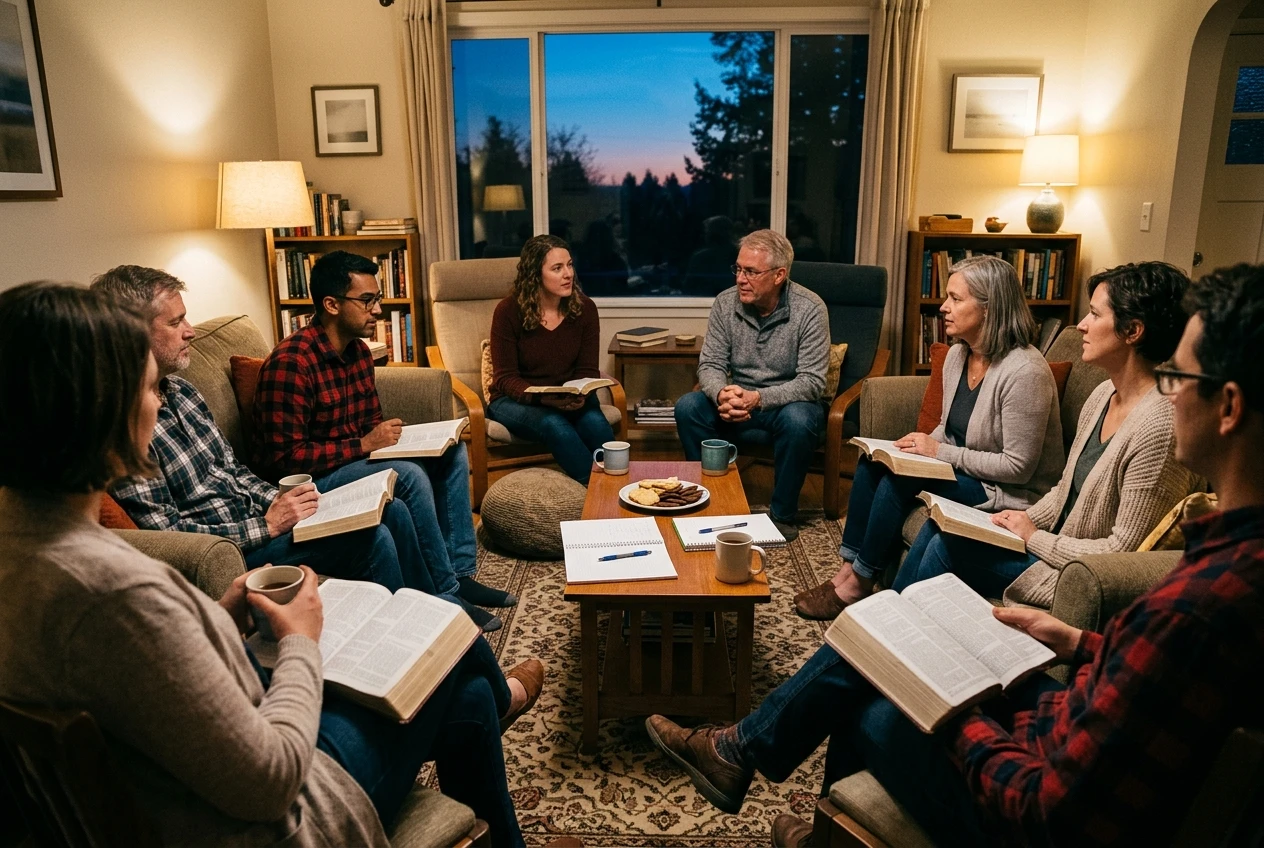
Ask your mentor:
-
How did you find the church or group you’re part of now, and what made you stay?
-
What does it look like to get involved somewhere without immediately being asked to serve or lead before you’re ready?
-
Who should I be meeting with regularly, besides you?
-
What’s the difference between a Sunday service and a smaller group, and do I need both?
-
How do you handle it when community gets awkward or a relationship in the church disappoints you?
If you don’t yet have a church that feels like home, How to Find a Local Church You Can Actually Call Home gives a practical way to go about finding one, which is often the fastest route to getting a mentor in the first place. Mentors tend to come out of community, not the other way around.
What to Do When You Don’t Have a Mentor Yet
If you’ve read this far and thought, “I don’t have anyone to ask these to,” you’re not stuck. You just need a different source for the same answers.
A few things actually help here:
-
Ask anyway. A lot of people would say yes to an occasional coffee or call if you simply asked, even if “mentor” feels like too big a word for what you’re requesting.
-
Look for a group before you look for a person. Groups often produce mentors naturally, once you’ve been around long enough for someone to notice you and offer more.
-
Use structured teaching to cover the ground a mentor would normally cover. The questions above are really a map of what good discipleship teaching needs to include: reading, prayer, doubt, and community. A course built around those same pressure points can walk you through them in order, at your own pace, without waiting on someone else’s calendar.
None of this replaces a real person sitting across from you. But a voice is still a voice, and consistent teaching will take you further than no guidance at all while you wait for the right person to show up.
If you don’t have a mentor to ask these questions, the course was built to walk through them with you step by step. Subscribe monthly to get that guidance whenever you need it.