New disciples ask a version of the same question, usually a few weeks or months into their walk with Jesus. Why don’t I feel different yet. Why does the old temper still show up, the old doubts still creep in, the old habits still have a grip. Somewhere along the way, many of us picked up the idea that following Jesus should produce fast, visible change, and when it doesn’t, we assume something is wrong with us.
Nothing is wrong with you. Spiritual growth has always moved slower than we want it to, and that slowness is not a flaw in the process. It is the process. This article makes the case that rushing is actually what derails new disciples, and that learning to recognize growth you cannot see yet is one of the most important skills you will develop.
The Impatience Every New Disciple Feels
The impatience is almost universal. You read a verse about being made new and you expect the newness to feel immediate and complete, the way a light switch changes a room. You hear another believer’s story of dramatic transformation and quietly wonder why yours feels so ordinary by comparison.
Part of this comes from how we experience everything else in life. Orders arrive the next day. Questions get answered in seconds. We’ve been trained to expect results fast, and we bring that expectation into a relationship that was never built to work that way. Scripture never promises a disciple instant maturity. It promises a process, and a process takes the time a process takes.
What Rushing Your Growth Actually Costs You
Impatience doesn’t just feel uncomfortable. It does real damage.
When you expect fast change and don’t see it, discouragement sets in, and discouragement is one of the main reasons new disciples quit. They decide the whole thing isn’t working rather than recognizing that growth was happening on a timeline they couldn’t perceive.
Rushing also tempts people to skip the parts of discipleship that feel slow but actually do the work. Steady prayer, regular time in scripture, honest conversation with other believers. These build something underneath the surface long before they show up on top. Someone chasing quick results will often abandon these habits the moment they stop feeling exciting, right when they were starting to take root.
There’s also a subtler cost. Chasing fast growth can push a person toward performing maturity they don’t actually have yet, saying the right words and adopting the right postures without the character underneath. That gap between the appearance and the reality tends to surface eventually, usually at the worst possible time.
The Slow, Seasonal Growth Scripture Describes
Scripture is remarkably consistent about this, even though it’s not always the part we want to hear.
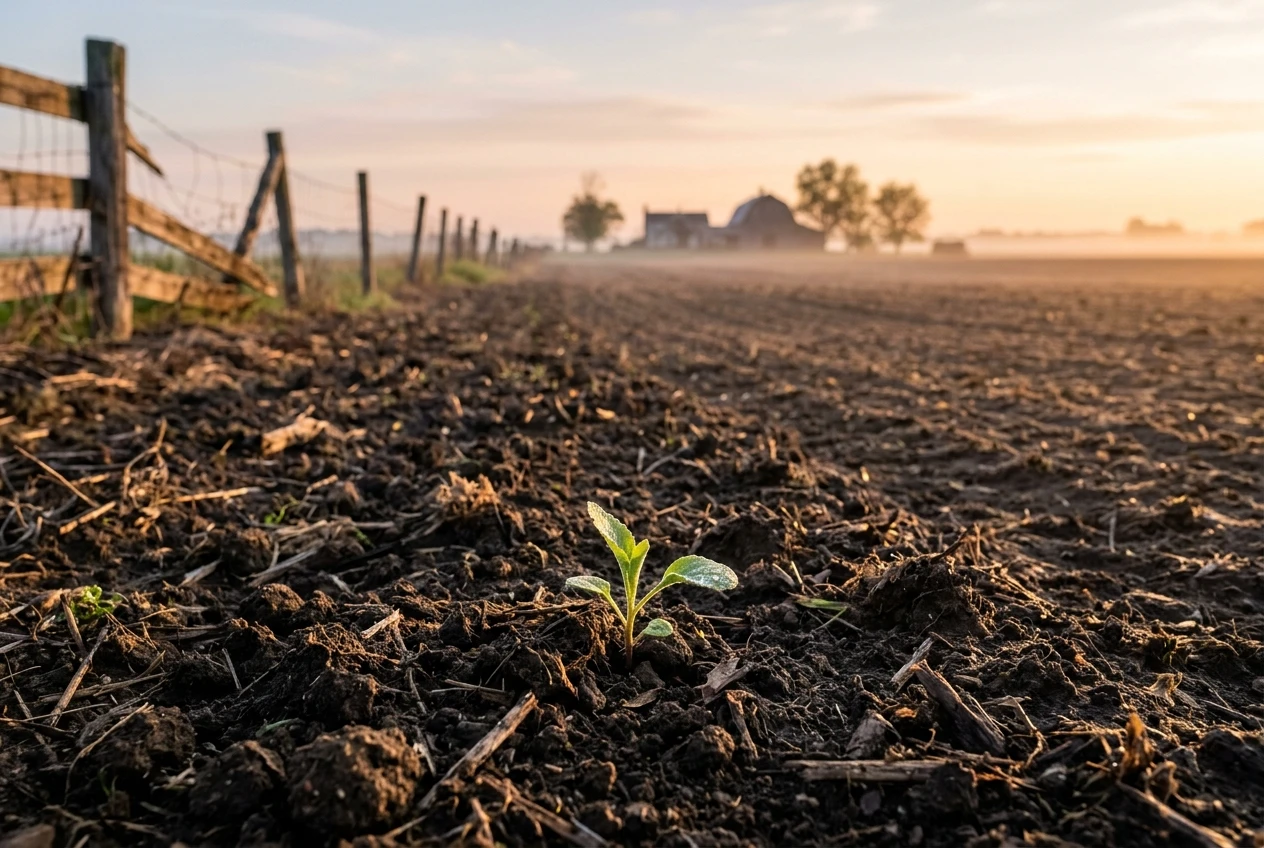
Jesus describes the kingdom of God growing like a seed planted in the ground, where “night and day, whether he sleeps or gets up, the seed sprouts and grows, though he does not know how.” The growth happens, but it happens out of sight, on its own schedule, while the farmer goes about his life. Paul tells the Philippians he is confident that God who began a good work in them will carry it on to completion, using language that points toward an ongoing process rather than a finished product. James tells believers that the testing of their faith produces perseverance, and that perseverance has to finish its work before a person becomes mature and complete.
None of these pictures describes a quick transformation. They describe seasons: planting, waiting, testing, growing, and eventually bearing fruit. A farmer doesn’t stand over a field demanding the wheat come up faster. He waters it, he’s patient with it, and he trusts that the growing happens even when the field looks the same from one day to the next.
Signs You’re Growing Even When It Feels Like Nothing Is Happening
If growth is often invisible in the moment, it helps to know what to actually look for, rather than waiting for a feeling that may never arrive the way you expect.
-
You notice sin or temptation faster than you used to, even if you still struggle with it.
-
You go to scripture or prayer before you go to anything else when something goes wrong.
-
You feel a tug of conscience in situations that used to pass by without you noticing.
-
You’re slower to react and quicker to forgive than you were a year ago, even if it’s a small difference.
-
You care about things, or people, that you didn’t care about before.
-
You can look back six months or a year and see a shift, even if you can’t feel one day to day.
None of these feel dramatic as they’re happening. They’re the kind of change you mostly see in hindsight, by looking back rather than by checking in real time. That’s worth remembering on the days when nothing seems to be moving at all.

How to Stop Measuring Yourself Against Someone Else’s Timeline
Comparison is one of the fastest ways to turn ordinary, healthy growth into a source of discouragement.
Every disciple comes from a different starting point. Someone raised in a believing household carries years of exposure to scripture that someone new to faith simply hasn’t had yet. Someone walking through a season of crisis may feel their faith deepen quickly out of sheer necessity, while someone in a stable season may grow more gradually, with less visible urgency. Neither path is better or worse. They’re just different.
A story of someone else’s breakthrough can be genuinely encouraging, a reminder of what God can do, without becoming a measuring stick for your own walk. Four Students, Four Breakthroughs is worth reading for that reason: not as a timeline to match, but as evidence that God works differently in different lives, at different speeds.
The question worth asking isn’t “am I as far along as they are.” It’s “am I further along than I was last month, in the direction that matters.” That question has an answer you can actually find, and it’s the only comparison scripture ever asks you to make.
Building a Foundation That Will Still Be Standing in Twenty Years
Jesus told a story about two builders, one who built on rock and one who built on sand. Both houses may have looked identical the day they were finished. The difference only showed up when the storm came.

A fast foundation and a solid foundation are not the same thing. Concrete needs time to cure before it can bear real weight, and a foundation poured in a hurry is the one most likely to crack under pressure later. The same is true of the habits and convictions you’re building now: steady time in scripture, honest prayer, real relationships with other believers, a growing trust in God’s character even when circumstances are hard. These things need the slow months to set properly.
That’s also the argument for staying in this for the long haul rather than looking for a shortcut to maturity. The foundation someone lays in their first year rarely gets tested in that first year. It gets tested five, ten, twenty years down the road, in a storm nobody saw coming. Building it slowly now is what keeps it standing then.
What to Do on the Days You Want to Quit

There will be days when the slowness feels unbearable, when you wonder if any of it is actually working. On those days, a few things are worth doing instead of walking away.
Go back to scripture, even if you don’t feel like it. The feeling often follows the practice rather than leading it. Talk to someone further along in their walk and ask them honestly whether their growth felt slow too; you’ll likely hear that it did. Look back at where you started rather than only at where you are now; the distance you’ve already traveled is usually bigger than it feels in the moment. And give yourself permission to have an ordinary, unremarkable day in your faith. Most of them are.
If you want steady companionship for the slow, unglamorous seasons of growth, not just the exciting ones, your monthly subscription to the course keeps the teaching and training in front of you for as long as the process takes.